Low water pressure is a warning sign of underlying problems such as leaks, corrosion, broken fixtures, and hard water mineral buildup. While it can seem like low water pressure is just a small annoyance, it’s important to recognize it as one of the first indications of plumbing issues that may worsen over time or may already be causing severe damage to your home.
At A-Abel, our team can provide fast, professional diagnostics to determine which causes of low water pressure apply to your home and recommend the right steps for water pressure repair.
Mineral Buildup and Pipe Corrosion That Restricts Water Flow
One of the most common causes of low water pressure is buildup. As mineral deposits build up inside your pipes, the available space narrows, and less water can flow through.
Hard Water Scale Inside Pipes
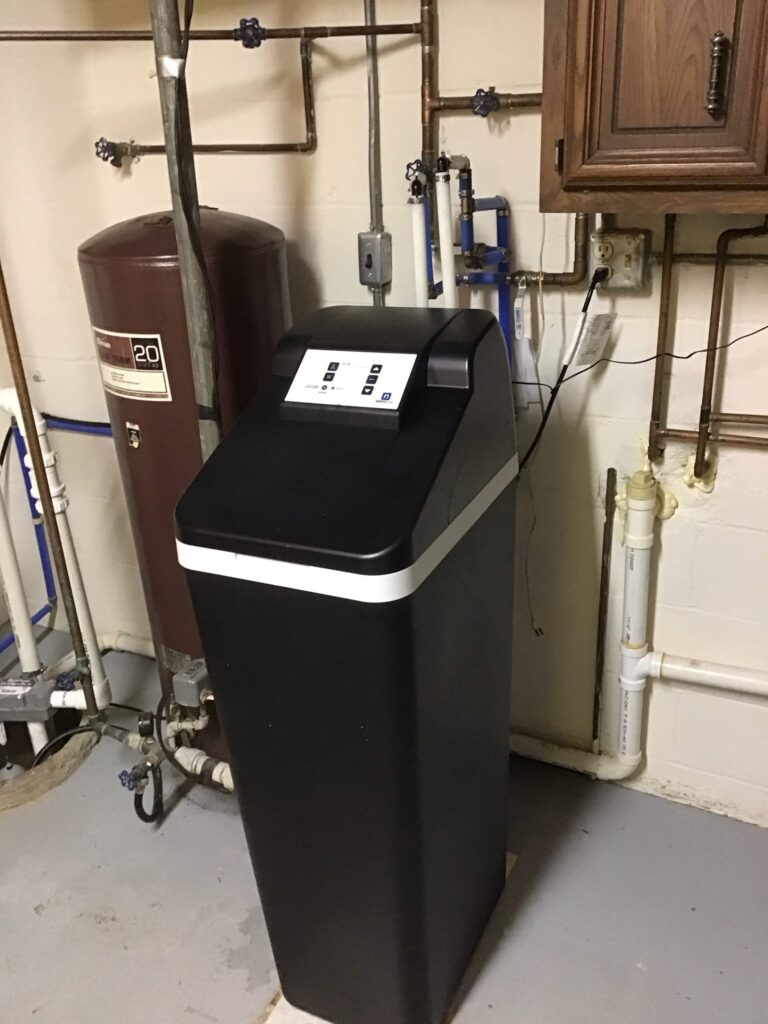
Hard water is water with excessive calcium and magnesium. If you’re experiencing low water pressure throughout your home, scale is likely to blame, especially if you have an older home with decades of potential buildup.
Corroded or Aging Pipes
As pipes age, they’re also more likely to have rust and corrosion. Galvanized steel pipes, in particular, deteriorate, and corrosion buildup can restrict water flow. That same rust and corrosion can break down pipes, leading to future leaks and failures.
Clogged Aerators and Showerheads
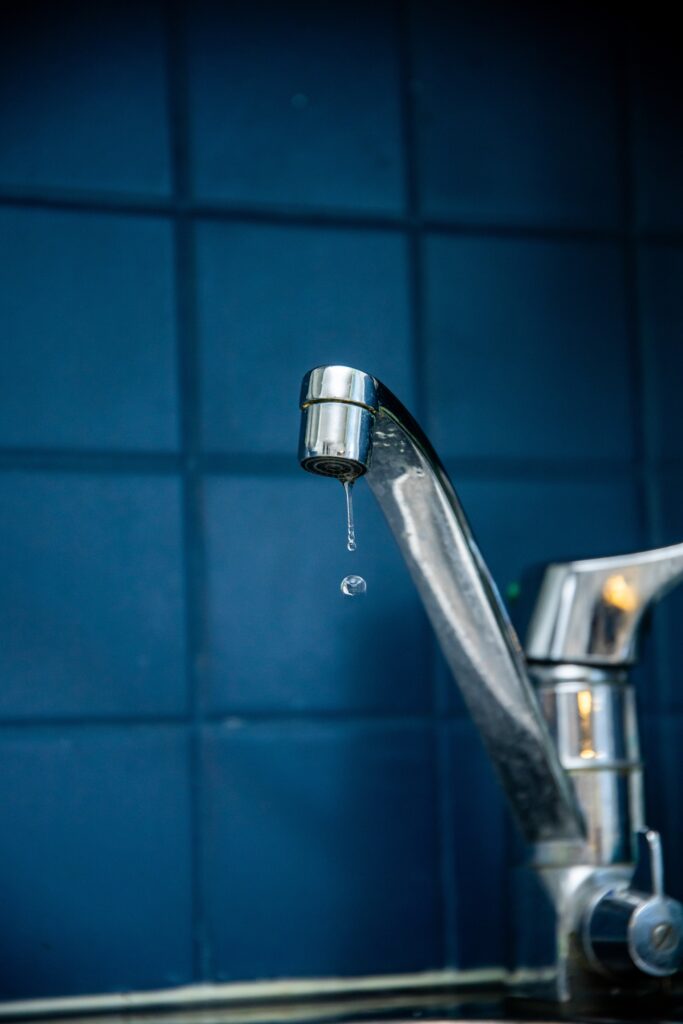
But if you only experience issues with specific fixtures and appliances, the issue might just be clogged aerators or showerheads. Check for visible mineral buildup, which is white and chalky. As a short-term fix, you can clean the fixtures, but the same buildup is likely affecting your pipes, too.
Hidden Leaks and Plumbing Damage
The scary answer many homeowners don’t want is this: the low pressure is due to a hidden leak.
Underground or Behind-Wall Leaks
Leaks are often invisible until the damage grows severe. Hidden leaks can lead to mold growth and structural damage to your home. They can also be difficult to find without professional detection systems.
Damaged or Loose Plumbing Connections
Loose fittings and connectors can cause just as much damage as pipe leaks and are another common culprit for low water pressure. A leak from damaged or loose plumbing connections might start as a slow drip, but a noticeable drop in water pressure could indicate the slow leak has worsened significantly.
Warning Signs That Suggest a Leak
Unfortunately, it’s difficult to determine with certainty whether there’s a leak without professional diagnostic equipment. However, there are some clues you can keep an eye out for:
- Sudden water bill increases
- The sound of running water
- Damp spots and mildewy smells
- Warm floors
Problems With Valves, Regulators, or Municipal Supply
Sometimes, the hardware installed where water enters your home is to blame for low water pressure.
Partially Closed Shutoff Valves
The main supply valve may be partially closed. This often happens after repairs or inspection, an easy oversight.
Failing Pressure-Reducing Valve (PRV)
If your plumbing has a pressure-reducing valve (PRV), it might eventually fail, causing inconsistent pressure or restricting water pressure too much. A professional can assess and replace a failing pressure-reducing valve.
External Supply Issues
Problems outside your property, such as main line issues, a neighborhood shutoff, or low municipal supply, might suddenly or temporarily reduce water pressure. A plumber can identify if this is the cause and help you determine the next steps.
When to Call A-Abel for Professional Plumbing Diagnosis
Low water pressure is more than an inconvenience. It’s often a sign of big plumbing problems developing out of sight. At A-Abel, our team has years of experience troubleshooting complex plumbing problems and conducting thorough inspections to stop damage in its tracks. Reach out today to schedule an appointment for accurate troubleshooting and repairs that solve the core problem.
Image credit: // Shutterstock // Bauwimauwi

- Water Softeners Vs. Water Conditioners - September 16, 2026
- Why You Need An Annual Water Heater Flush - August 19, 2026
- A Guide To Toilet Leaks - August 11, 2026