When was the last time you thought about your water heater? For most of us, it’s one of those “out of sight, out of mind” appliances – until the shower turns icy cold or the basement floor is wet.
One of the simplest ways to prevent a water heater catastrophe and keep your energy bills in check is a simple maintenance task: The Annual Flush. Here is why this chore makes such a big difference for your home.
Why Does Your Water Heater Need a Flush?
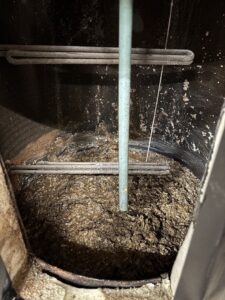
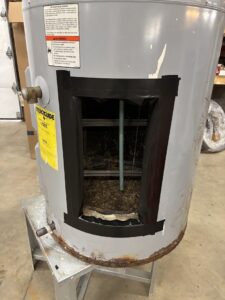
Over time, the water entering your home begins in tiny amounts of minerals, like calcium and magnesium (especially in areas with “hard water”). As that water sits in your tank and is heated, these minerals settle at the bottom as sediment.
Think of it like a layer of sand sitting at the bottom tank. When your burner or heating element tries to heat the water, it has to heat through that layer of sand first. This causes your system to work much harder than it should.
The Benefits of a Fresh Start
Flushing that sediment out of the tank once a year provides several major benefits:
- Lower Energy Bills: When your heater doesn’t have to fight through a layer of gunk, it runs more efficiently, saving you money every month.
- A Longer Lifespan: Sediment buildup is a leading cause of tank corrosion and premature failure. Regular flushing can add years to the life of your unit.
- Better Performance: You’ll notice faster recovery times (how long it takes for the water to get hot again) and more consistent temperatures.
- Peace and Quiet: Have you ever heard your water heater making a “popping” or “rumbling” sound? That’s actually steam bubbles bubbling through the sediment. A flush clears that right up!
How Often Should You Do It?
For most homes, once a year is the industry standard. However, if you have a large family that uses a lot of hot water, or if your home has particularly hard water, you might benefit from a flush every six months.
When is the Best Time to Flush?
January is the ideal time for a water heater flush. Why? Because during winter, the water entering your home from the ground is significantly colder than it is in the summer. Your water heater is already working its hardest right now; giving it a fresh, sediment-free start ensures it can handle the winter workload without burning out.
Can I Do It Myself?
While many homeowners attempt a DIY flush, it can be tricky. You have to manage high water temperatures, ensure the power or gas is safely shut off, and deal with potentially clogged drain valves. if the valve doesn’t seal properly afterward, you could end up with a persistent leak.
Let A-Abel Team Handle the Dirty Work!
Our plumbers can perform a professional flush, inspect your anode rod (the “heart” of your heater), and ensure your system is safe and efficient for the year ahead.
If your water heater is making noise or taking too long to heat up? Give A-Abel a call today to schedule your annual maintenance!
FAQ’s:
- What exactly is the “sediment” at the bottom of my tank?
- In the Dayton and Cincinnati areas, our water often contains minerals like calcium and magnesium. When water is heated, these minerals crystallize and settle. over time, they create a thick, sandy crust at the bottom of the tank. This acts as an insulator, forcing your burner to work much harder to heat the water through that “rock layer”.
- My water heater is making a “popping” or “rumbling” sound. Is it going to explode?
- While it sounds scary, it’s usually not an explosion risk – but it is a cry for help! That sound is caused by steam bubbles forcing their way up through the layer of sediment. it’s a major sign that your heater is struggling and needs a flush immediately to prevent the tank from overheating and cracking.
- Do tankless water heaters need to be flushed, too?
- Yes – actually, even more so! Tankless units have narrow heating passages that can become clogged with scale very quickly. Instead of a “flush”, these systems require a “descaling” process using a specific solution to keep the heat exchanger from burning out.

- Water Softeners Vs. Water Conditioners - September 16, 2026
- Why You Need An Annual Water Heater Flush - August 19, 2026
- A Guide To Toilet Leaks - August 11, 2026