Have you ever heard your toilet “ghost flush” in the middle of the night? Or perhaps you’ve noticed your water bill creeping up for no reason?
A leaking toilet might seem like a minor annoyance, but even a small, silent leak can waste hundreds of gallons of water per day. Over the course of a year, that’s a lot of money literally flushed down the drain. At A-Abel, we want to help you spot these leaks early and know when it’s time to reach for a wrench – or the phone.
1.Common Reasons Your Toilet Is Leaking
Before you can fix the problem, you have to find the source. Here are the usual suspects:
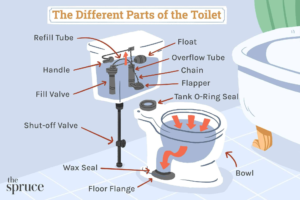
- The Worn-Out Flapper: This is the #1 cause of a “running” toilet. The flapper is the rubber disc at the bottom of the tank. Over time, it warps or decays, allowing water to seep into the bowl constantly.
- The Fill Valve Issue: If the fill valve (the mechanism that refills the tank) is faulty or set too high, water will constantly pour into the overflow tube.
- The Failed Wax Ring: If you see water pooling around the base of the toilet on the floor, the wax ring that seals the toilet to the drain pipe has likely failed.
- Loose Tank-to-Bowl Bolts: If the leaks is dripping from the middle of the unit, the rubber gaskets around the bolts holding the tank to the bowl may have corroded.
2.The “Food Coloring Test” (DIY Detection)
Not sure if your toilet is actually leaking? Try this simple trick:
- Remove the tank lid and drop about 5-10 drops of food coloring into the tank water.
- Don’t flush! Wait about 20-30 minutes.
- Check the water in the toilet bowl. If the water in the bowl has changed color, you have a leak (likely a flapper issue). If the water is clear, your seal is tight.
3.How to Fix basic Leaks
If you’re handy with home repairs, you can often handle the small stuff:
- Replacing the Flapper: This is an easy, inexpensive fix. Simply turn off the water supply, drain the tank, pop the old flapper off its hinges, and snap a new one on.
- Adjusting the Float: If water is running into the overflow tube, you may just need to adjust the float (the ball or cylinder that tells the water when to stop) so the water level sits about an inch below the top of the tube.
4.When It’s Time to Call a Professional
While a flapper is a quick DIY project, some leaks indicate deeper issues that require a pro. You should call an A-Abel plumber if:
- The Toilet is Rocking: If the toilet moves when you sit on it, it can break the wax seal and lead to floor rot. This usually requires removing the toilet to inspect the flange and floor.
- You See Water on the Floor: A leak at the base can quickly ruin your subfloor and cause mold. This is not a “wait and see” problem.
- You Smell Sewage: This is a sign that the seal is broken and sewer gases are entering your home – a definite health hazard.
- The Porcelain is Cracked: A crack in the tank or bowl can lead to a sudden, catastrophic flood. If you see a crack, the toilet needs to be replaced immediately.
Let A-Abel Restore Your peace of Mind
Whether it’s a simple tune-up to lower your water bill or a brand-new, high-efficiency toilet installation, our plumbing team is ready to help. We’ll get your bathroom back in top shape so you can stop worrying about leaks and start saving money. Call A-Abel today or schedule your appointment online.
FAQ’s:
- My toilet isn’t making any noise. Could it still be leaking?
- Absolutely. While many leaks cause a “running” sound or a “ghost flush”, some are completely silent. Water can seep from the tank into the bowl without making a peep.
- Is it better to repair or just replace it?
- If your toilet is more than 15-20 years old, it likely uses much more water per flush than modern high-efficiency models. If you find yourself constantly replacing flappers and fill valves, a new installation might actually save you more money in the long run through lower water bills.
- Can I use “drop-in” bleach tablets to keep my toilet clean?
- We actually recommend avoiding these. The strong chemicals in bleach tablets can cause the rubber flapper and other plastic parts in your tank to decay much faster, leading to – you guessed it – more leaks.
- How much water can a small toilet leak actually waste?
- You’d be surprised! A common leak can add significantly to your water bill. if your bill has spiked recently, the toilet is the first place you should check.

- Water Softeners Vs. Water Conditioners - September 16, 2026
- Why You Need An Annual Water Heater Flush - August 19, 2026
- A Guide To Toilet Leaks - August 11, 2026