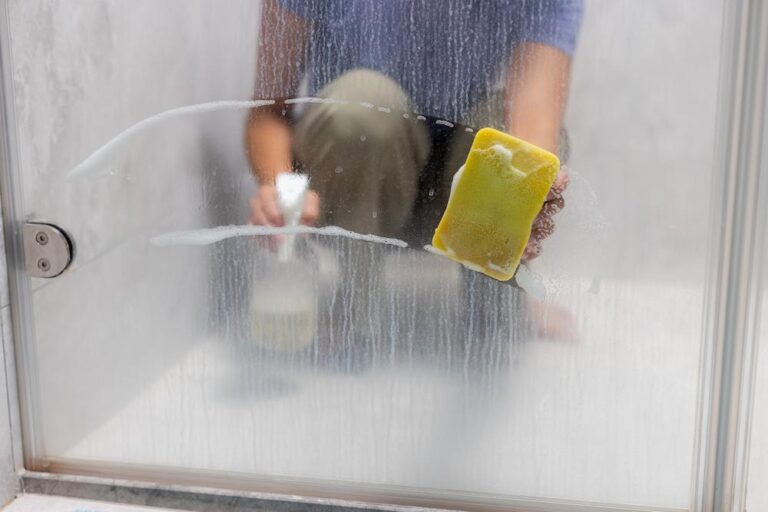
If you’ve noticed spots on your dishes, soap that doesn’t lather well, dry skin after showering, or scale buildup on faucets and fixtures, hard water may be to blame.
Many homeowners know they need a solution for hard water, but when they start researching options, they quickly discover two common products: water softeners and water conditioners.
While these systems are often discussed together, they work very differently and solve different problems. Understanding the difference can help you choose the right solution for your home and your family’s needs.
What Is Hard Water?
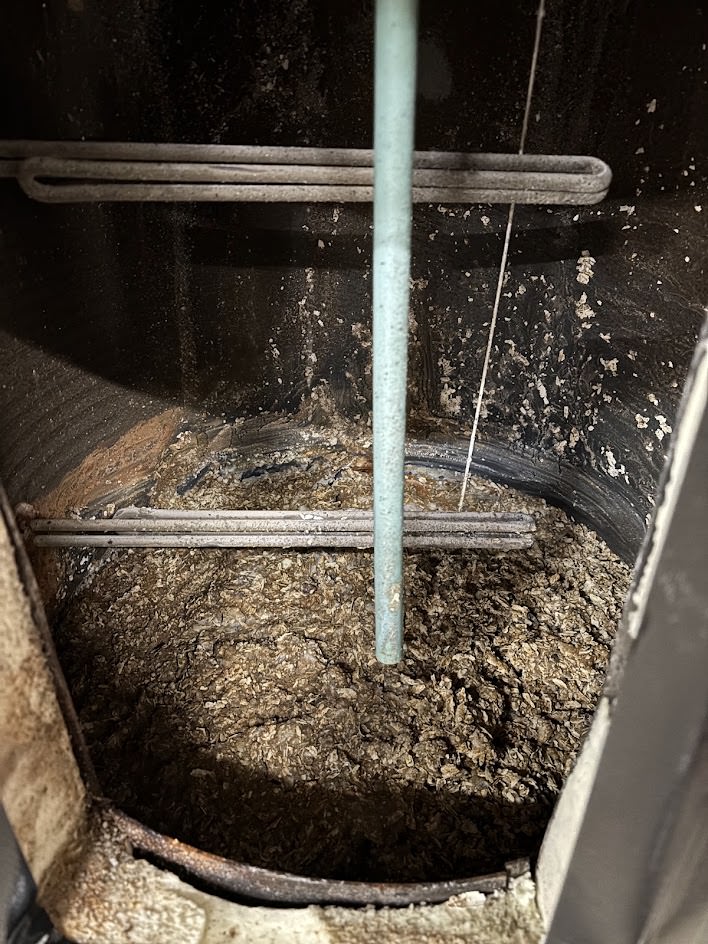
Hard water contains elevated levels of dissolved minerals, primarily calcium and magnesium. While hard water is generally safe to drink, it can create a variety of problems throughout your home, including:
- Scale buildup on faucets and showerheads-
- Reduced efficiency of water heaters
- Spots on dishes and glassware
- Dry skin and hair
- Soap scum in showers and tubs
- Reduced lifespan of plumbing fixtures and appliances
Fortunately, both water softeners and water conditioners can help address hard water issues – but in different ways.
What Is a Water Softener?
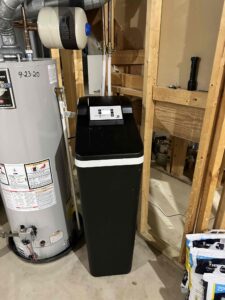
A water softener is designed to remove hardness minerals from your water. Traditional water softeners use a process called ion exchange, which replaces calcium and magnesium minerals with sodium or potassium ions. As water passes through the system, the hardness minerals are removed before the water reaches your plumbing fixtures and appliances.
Benefits of a Water Softener
- Eliminates hard water minerals
- Reduced scale buildup in pipes and appliances
- Improves soap and detergent performance
- Leaves dishes and glassware cleaner
- Helps protect water heaters and plumbing systems
- Can result in softer-feeling skin and hair
Potential Considerations
- Requires periodic salt additions
- Needs occasional maintenance
- Uses water during regeneration cycles
For homes with significant hard water problems, a water softener is often the most effective solution.
What Is a Water Conditioner?
A water conditioner takes a different approach.
Instead of removing calcium and magnesium from the water, water conditioners are designed to change how those minerals behave. Depending on the technology uses, conditioner may alter the structure of hardness minerals to help reduce their ability to stick to surfaces and form scale.
In other words, the minerals remain in the water, but they may be less likely to create buildup.
Benefits of a Water Conditioner
- No salt required
- Little to no routine maintenance
- No regeneration cycle
- Environmentally friendly operation
- Can help reduce scale formation
Potential Considerations
- Does not remove hardness minerals
- May not provide the same level of scale prevention as a water softener
- Typically does not provide the “soft water” feel many homeowners expect
Water conditioner can be a good fit for homeowners looking to reduce scale buildup without the use of salt.
Which Option Is Best for Your Home?
The answer depends on your water quality and your goals.
A Water Softener May Be Best If:
- You have moderate to severe hard water
- You’re seeing significant scale buildup
- You want softer-feeling water
- You want maximum protection for appliances and plumbing
- You struggle with soap scum and spotting on dishes
Many homeowners in areas with naturally hard water choose water softeners because they directly remove the minerals causing the problem.
A Water Conditioner May Be Best if:
- You want a low-maintenance solution
- You prefer not to add salt regularly
- Your primary concern is reducing scale buildup
- You have mild to moderate hard water
- You want an environmentally friendly option
For some households, a water conditioner provides enough protection without the maintenance requirements of a traditional softener.
What About Water Taste?
One common misconception is that water softeners and water conditioner are designed to improve drinking water taste. While some homeowners notice differences, neither system is primarily intended for filtration. If you’re concerned about taste, odor, chlorine, sediment, or contaminants, you may benefit from an additional water filtration system.
A professional water test can help identify exactly what’s in your water and determine which treatment options are most appropriate.
The Importance of a Water Test
Before investing in any water treatment equipment, it’s important to understand what’s actually in your water.
A professional water test can identify:
- Hardness levels
- Iron content
- Chlorine levels
- Sediment concerns
- pH balance
- Other water quality issues
Once you know what you’re dealing with, you can choose a solution that addresses your specific needs rather than guessing.
The Bottom Line
Both water softener and water conditioners can help improve water quality , but they accomplish that goal in different ways.
If your home struggles with significant hard water issues, a water softener is often the most effective solution because it removes the minerals responsible for scale buildup and hard water problems. If you’re looking for a low-maintenance option that helps reduce scale formation without salt, a water conditioner may be a good fit.
At A-Abel, we can help evaluate your water quality, explain your options, and recommend the right solution for your home.
FAQ’s:
- How do I know if I have hard water?
- Common signs include white scale buildup on fixtures, spots on dishes, soap scum in showers, dry skin, dull laundry, and reduced appliance efficiency.
- Do water softeners remove contaminants?
- Water softeners are designed to remove hardness minerals like calcium and magnesium. They are not intended to remove contaminants such as chlorine, bacteria, or other pollutants.
- Is a water softener worth it?
- For homes with moderate to severe hard water, many homeowners find that water softeners help protect appliances, reduce maintenance, improve cleaning results, and increase overall comfort.

- Water Softeners Vs. Water Conditioners - September 16, 2026
- Why You Need An Annual Water Heater Flush - August 19, 2026
- A Guide To Toilet Leaks - August 11, 2026