Spring is the season for home improvement. From landscaping and deck upgrades to pressure washing and outdoor lighting installations, homeowners take on a variety of outdoor projects this time of year.
But before you plug in that power tool or install new lighting, it’s important to think about outdoor electrical safety.
Water, extension cords, outdoor outlets, and storm season all create potential hazards. Following proper safety practices can prevent electrical shock, fire risks, and costly damage.
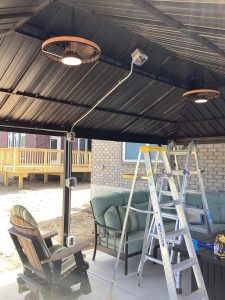
Here are essential outdoor electrical safety tips to keep your spring projects safe.
1. Check Your Outdoor Outlets (GFCI Protection) – All outdoor outlets should be protected by a GFCI (Ground Fault Circuit Interrupter). GFCI outlets are designed to shut off power immediately if they detect moisture or an imbalance in current – reducing the risk of electrical shock. Before starting any spring project:
- Press the “test” button on the outlet
- Press “reset” to restore power
- If it doesn’t trip or reset properly, call a licensed electrician
If your outdoor outlets are older and not GFCI-protected, upgrading them is a smart safety improvement.
2. Inspect Extension Cords for Damage – Extension cords are commonly used during spring projects, but damaged cords are a major hazard. Check for:
- Cracked insulation
- Frayed wires
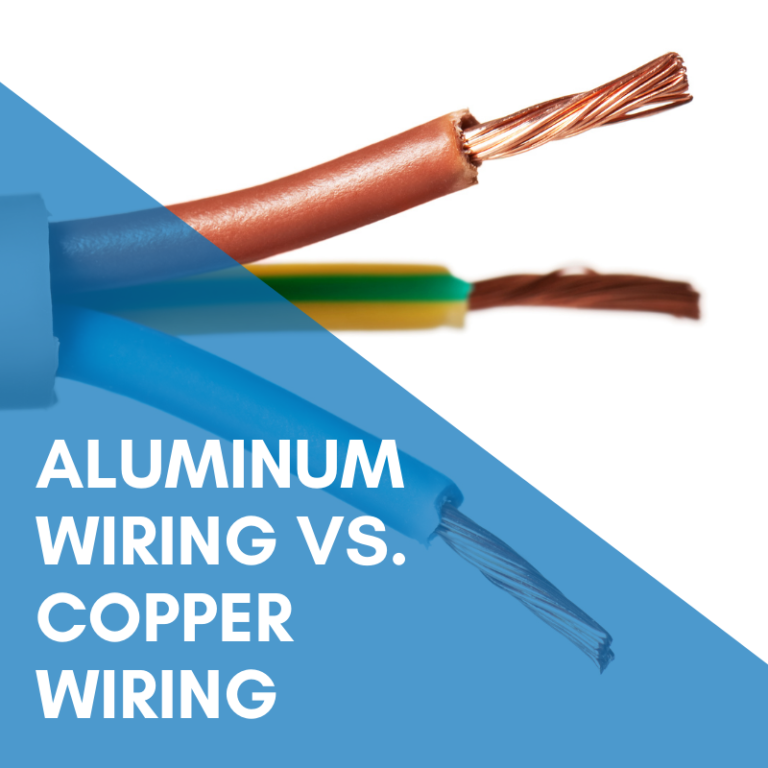
- Exposed copper
- Loose plugs
Never use indoor-rated extension cords outside. Always choose cords labeled for outdoor use and rated for the power tools or equipment you’re using.
3. Keep Electrical Connections Dry – Spring weather can be unpredictable. Rain, damp soil, and morning dew increase the risk of electrical shock. To reduce:
- Keep connections off the ground
- Use weatherproof covers on outlets
- Avoid using cords in standing water
- Stop work immediately if it begins raining
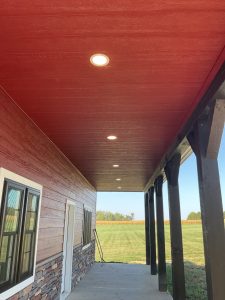
4. Be Cautious with Outdoor Lighting Installations – Adding landscape lighting or security light is a popular spring upgrade. Improper wiring can lead to shorts, tripped breakers, or fire hazards. When in doubt, professional installation ensures safety and reliability. Before installing:
- Confirm your wiring meets local code requirements
- Use weather-rated fixtures
- Ensure proper grounding
- Avoid overloading circuits
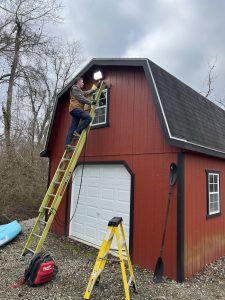
5. Watch for Overhead Power Lines – If you’re using ladders, trimming trees, or installing tall structures, always look up. Maintain at least 10 feet of clearance from overhead power lines. Accidental contact can cause severe injury or fatal electrocution. if a tree branch is near power lines, contact your utility company instead of attempting removal yourself.
6. Test Outdoor Lighting and Surge Protection Before Storm Season – Spring storms bring lighting and power surges that can damage outdoor and indoor electrical systems. Taking preventative steps now can protect your home during severe weather. Consider:
- Testing outdoor lighting
- Inspecting your electrical panel
- Installing whole-home surge protection
- Scheduling generator maintenance
7. Don’t Overload Circuits – Spring often means running multiple tools at once – pressure washers, saws, trimmers, and more. If breakers trip repeatedly, it may indicate your electrical panel needs evaluation or upgrading. Overloading a circuit can:
- Trip breakers
- Damage appliances
- Create fire risks
8. Consider Professional Electrical Upgrades – Spring is a great time to evaluate whether your home needs:
- Additional outdoor outlets
- Dedicated circuits for equipment
- Landscape lighting installation
- Whole-home surge protection
- Generator installation
Why Outdoor Electrical Safety Matters
Electrical accidents can happen quickly – especially when moisture and heavy equipment are involved. Taking the time to inspect outlets, cords, and connections protects your family, your property, and your investment in home improvements. Preventative electrical maintenance also reduces the risk of outages and storm-related damage.
A-Abel has a team of expert electricians that can help with any outdoor electrical spring project. Whether you have a small repair or a big outdoor electrical upgrade we can handle it and make sure you have the perfect outdoor oasis for spring and summer days.
FAQ’s:
- Do outdoor outlets need to be GFCI protected?
- Yes. Modern electrical codes require GFCI protection for outdoor use to reduce the risk of electrical shock.
- Can I use any extension cords outside?
- No. Only use extension cords rated for outdoor use. Indoor cords are not designed to handle moisture or temperature changes.
- Is it safe to install outdoor lighting myself?
- Basic plug-in lighting may be manageable, but hardwired lighting should be installed by a licensed electrician to ensure safety and code compliance.
- What should I do if my breaker keeps tripping during outdoor projects?
- Frequent breaker trips may indicate circuit overload or wiring issues. Stop using the equipment and have a professional inspect your system.

- Why Spring Tune-Ups Are Essential for Your Home - March 24, 2026
- Is Your AC Ready for Spring? 7 Signs It Needs Service - March 12, 2026
- Outdoor Electrical Safety Tips for Spring - March 4, 2026