If you live in Dayton or Cincinnati, chances are your home has hard water – and while it may not seem like a big deal at first, hard water can quietly cause expensive plumbing problems over time.
At A-Abel, we regularly see the effects of hard water in homes throughout Southwest Ohio. Understanding what hard water is and how it impacts your plumbing can help you prevent damage, extend the life of your systems, and avoid unexpected repairs.
What Is Hard Water?
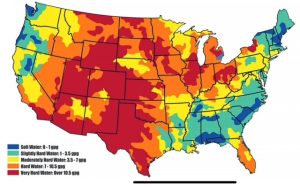
Hard water contains high levels of minerals – primarily calcium and magnesium – that are picked up as water moves through underground rock and soil. The water supply in both the Dayton and Cincinnati areas is known for higher mineral content, making hard water a common issue for local homeowners.
While hard water isn’t harmful to drink, it can be tough on your home’s plumbing and appliances.
How Hard Water Affects Your Plumbing Systems
1.Mineral Buildup in Pipes – Over time, minerals from hard water cling to the inside of your pipes, forming scale buildup. This buildup:
- Narrows pipe diameter
- Reduces water pressure
- Increases the risk of clogs
- Can lead to premature pipe failure
In older homes, this issue is especially common due to aging plumbing materials.
2. Shortened Lifespan of Water Heaters – Hard water is particularly rough on water heater. Mineral deposits settle at the bottom of the tank, forcing the unit to work harder to heat water. This can lead to:
- High energy bills
- Reduced efficiency
- Noisy operation
- Early system failure
Tankless water heaters aren’t immune either – scale buildup can damage internal components without proper maintenance.
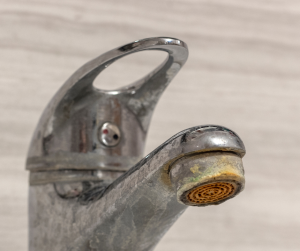
3. Damage to Fixtures and Appliances – Hard water leaves behind visible residue in faucets, showerheads, and fixtures. Beyond appearances, mineral buildup can:
- Reduce appliance efficiency
- Shorten the lifespan of dishwashers and washing machines
- Cause valves and seals to wear out faster
4. Increased Plumbing Repairs – Because hard water stresses plumbing systems over time, homeowners often experience:
- More frequent leaks
- Recurring clogs
- Higher maintenance costs
What starts as a minor inconvenience can turn into a major repair if left unaddressed.
Signs You Have Water in Your Home
Not sure if hard water is affecting your plumbing? Common signs include:
- White or chalky residue on fixtures
- Spotty dishes or cloudy glassware
- Reduced water pressure
- Dry skin or dull hair
- Appliances that fail sooner than expected
If you’re noticing these issues, hard water is likely playing a role.
Solutions for Hard Water Problems
The most effective long-term solution is installing a water softener, which removes excess minerals before they enter your plumbing system. Benefits include:
- Longer lifespan for pipes and appliances
- Improved water pressure
- Increased energy efficiency
- Fewer plumbing repairs
Routine plumbing maintenance can also help catch early signs buildup before major damage occurs.
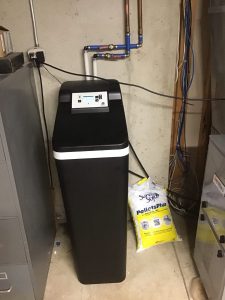
Trust A-Abel for Hard Water Solutions in Dayton and Cincinnati
Hard water is a fact of life in our region – but plumbing damage doesn’t have to be. At A-Abel, we help homeowners throughout Dayton, Cincinnati, and surrounding areas protect their plumbing systems with expert solutions tailored to local water conditions.
If you’re concerned about hard water or noticing plumbing issues, our team is here to help.
Contact A-Abel today to schedule a plumbing inspection or learn more about water softening solutions for your home.
FAQ’s:
- Is hard water common in Dayton and Cincinnati?
- Yes, hard water is common in Dayton and Cincinnati because local water sources contain naturally high levels of calcium and magnesium.
- Can a plumber test for hard water?
- Yes. A licensed plumber can test your home’s water hardness and recommend treatment options such as water softeners or filtration systems.
- Can hard water damage plumbing?
- Yes, Hard water can damage plumbing by causing mineral buildup inside pipes, reducing water flow, lowering water pressure, and increasing the risk of clogs and leaks.
- Do I need a water softener for hard water?
- Yes. A water softener is the most effective way to protect plumbing from hard water by removing excess minerals before they cause damage.

- Why You Need An Annual Water Heater Flush - August 19, 2026
- A Guide To Toilet Leaks - August 11, 2026
- What Your HVAC Noises Are Trying to Tell You - June 12, 2026